
Category: Buy Codeine Online
Showing all 4 results
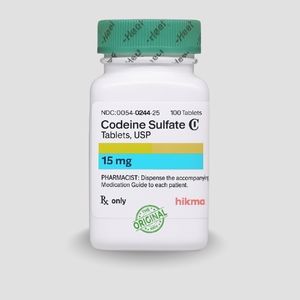



What Is Codeine?
Codeine is a prescription medication used to treat mild to moderately severe pain. It belongs to a class of drugs known as opioids, also referred to as narcotic pain relievers. In addition to pain management, buy codeine online is sometimes prescribed to suppress cough and, in certain cases, to manage diarrhea.
Codeine works by altering the way the brain and nervous system respond to pain. Because of its effects on the central nervous system, it must be used cautiously and only under the guidance of a qualified healthcare professional.
Key Facts About Codeine
Before using codeine, it is important to understand some essential facts about the medication:
- Codeine reduces pain by blocking pain signals from reaching the brain
- Common side effects include drowsiness, constipation, and nausea
- The risk of addiction is low when codeine is taken exactly as prescribed and monitored by a doctor
- Combining codeine with alcohol can significantly increase side effects such as extreme sleepiness and slowed breathing
- Codeine use in children is restricted and should only be done under strict medical supervision
Understanding these points helps ensure safer and more effective use of the medication.
How Codeine Works in the Body
Once codeine enters the body, it is converted in the liver into morphine, which then binds to opioid receptors in the brain and spinal cord. These receptors are responsible for controlling pain perception.
By activating these receptors, codeine changes how the body senses and responds to pain, allowing the individual to experience pain relief without completely eliminating sensation. This mechanism also explains why codeine can suppress cough and slow gastrointestinal activity.
Medical Uses of Codeine
Codeine may be prescribed for several medical purposes, including:
- Relief of mild to moderate pain
- Suppression of persistent or painful cough
- Management of diarrhea in specific situations
Its versatility makes codeine a commonly used medication, but its opioid nature also requires careful dosing and monitoring.
Drug Interactions With Codeine
Codeine can interact with other medications, sometimes leading to serious or even life-threatening effects. Certain drugs may either block its effectiveness or increase the risk of side effects such as respiratory depression.
Medications that may interact with codeine include:
- Monoamine oxidase inhibitors (MAOIs)
- Certain antidepressants
- Opioid pain relievers such as hydrocodone
- Benzodiazepines such as alprazolam (Xanax)
- Drugs used for opioid dependence (e.g., naltrexone, nalmefene)
Patients should always inform their healthcare provider about all medications and supplements they are taking before starting codeine.
Medical Conditions That Require Caution
Codeine may worsen certain medical conditions or increase the risk of complications. Extra caution or alternative treatments may be required for individuals with:
- Breathing or lung disorders
- Head injuries or brain conditions
- Depression or other mental health disorders
- Liver or kidney disease
- Thyroid disorders
- Obesity
- Pancreatitis
- Adrenal gland disorders
Taking codeine as prescribed greatly reduces the likelihood of serious complications.
Who Should Not Take Codeine?
Codeine is not suitable for everyone. It should generally be avoided by individuals who:
- Are allergic to codeine or other opioids
- Have severe respiratory conditions
- Have a history of alcohol or substance dependence
- Have low blood pressure
- Have recently experienced a head injury
A healthcare professional should always determine whether codeine is appropriate for a patient.
Codeine Use During Pregnancy
The use of codeine during pregnancy requires careful evaluation. Factors such as dosage, duration of use, and trimester of pregnancy play a role in determining risk.
Research suggests that high or prolonged use during early pregnancy may slightly increase the risk of:
- Heart defects
- Cleft lip or palate
- Spina bifida
Additionally, long-term use during pregnancy may cause withdrawal symptoms in newborns, which can be serious if not treated promptly. Pregnant individuals should only use codeine if clearly recommended by a healthcare provider.
Proper Method of Taking Codeine
The safest way to take codeine is to follow the prescribed dosage and schedule exactly as directed. Patients should:
- Take only the prescribed amount
- Avoid increasing the dose on their own
- Use the medication for the shortest duration necessary
Long-term or excessive use increases the risk of dependence, tolerance, and withdrawal symptoms.
What to Do If You Miss a Dose
If a dose of codeine is missed:
- Take it as soon as you remember
- Skip the missed dose if it is almost time for the next scheduled dose
- Do not take two doses at the same time
Doubling doses can increase the risk of side effects such as excessive sedation or breathing difficulties.
Codeine and Alcohol
Both codeine and alcohol depress the central nervous system. Taking them together can lead to:
- Extreme drowsiness
- Impaired coordination
- Slowed breathing
- Increased risk of accidents
For safety reasons, alcohol should be avoided while taking codeine.
Is Codeine Addictive?
Codeine is considered a controlled substance because it has the potential for dependence. When used for short-term pain relief and taken as prescribed, the risk of addiction is relatively low.
However, prolonged or improper use may lead to:
- Physical dependence
- Withdrawal symptoms upon stopping
- Psychological reliance
Gradual dose reduction under medical supervision can help minimize withdrawal effects.
Codeine Withdrawal Symptoms
Withdrawal symptoms can vary depending on how long and how often codeine was used. Common symptoms may include:
- Restlessness or anxiety
- Muscle aches
- Sweating
- Insomnia
- Gastrointestinal discomfort
The severity of withdrawal depends on factors such as dosage, duration of use, and individual health history.
Available Forms and Dosage Strengths of Codeine
Codeine is available in several forms, including:
Tablets:
- 15 mg,
- 30 mg,
- 60 mg,
- Liquid solution: typically 25 mg per 5 mL
- Cough syrup: usually 15 mg per 5 mL
- Injection: used in hospital settings
The appropriate form and dose are determined by a healthcare provider based on the patient’s needs.
Final Thoughts on Codeine Use
Codeine can be an effective treatment for pain, cough, and certain gastrointestinal conditions when used responsibly. However, due to its opioid nature, it must be taken with care and only under medical supervision.
Understanding the medication, following prescribed guidelines, and recognizing potential risks are essential steps in ensuring safe and effective treatment.